
Betrayed Principles: India and its muted response to Israel’s actions in Gaza
- May 31, 2024
- 5 min read
India's inconsistent response to Israel's actions in Gaza, highlight how the nation’s shifting stance undermines its historical principles of justice, human rights and support for Palestinian people .
Introduction
India's foreign policy has often been characterized by its commitment to strategic autonomy, non-alignment, and pragmatic diplomacy. However, the complex and volatile situation in the Middle East, particularly Israel's actions in Gaza, presents a significant challenge for India's foreign policy. This blog critically examines India's response to Israel's actions in Gaza, exploring the historical context, geopolitical considerations, and the ethical and diplomatic implications of India's stance.
Historical Context: India's stand in the Israel - Palestinian Conflict
India has been a staunch supporter of the Palestinian cause, rooted in its non-aligned movement (NAM) principles and anti-colonial stance. However, the end of the Cold War and the need for strategic partnerships led India to normalize relations with Israel, driven by mutual interests in defense, agriculture, and technology. Over the past three decades, the India-Israel relationship has grown stronger, with defense cooperation becoming a cornerstone. Israel has emerged as one of India's top arms suppliers, providing advanced military technology and intelligence support. This strategic partnership has been complemented by collaborations in agriculture, water management, cybersecurity, and trade while India has still maintained its support for the two-state solution and principled support for the Palestinian cause.
India’s Response to Israel’s Actions in Gaza
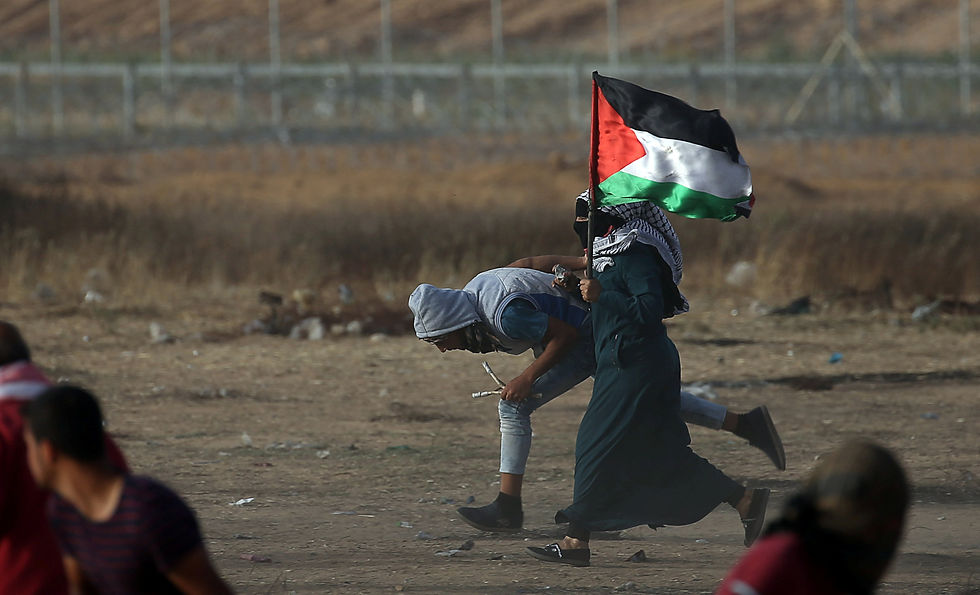
However, post Hamas's barbaric attack and Israel's ongoing response with equal or worst barbaric response has laid bare the hollowness of "New India's" principles on human rights, justice and non violence as a means to an end. India's response to Israel's actions in Gaza has often been characterized by a muted nonchalance, attempting to maintain its strategic partnership with Israel while expressing concern for the humanitarian situation in Gaza.
This balancing act is evident in India's statements at international forums and its voting patterns at the United Nations that has left a lot to be desired in its ability to potentially end this conflict. Let's look at what is driving this behavior, its criticism of actions or lack thereof, and what can India really do to enhance its standing on international stage on this defining issue of our times.

Geopolitical Considerations Driving Behavior
1. Strategic Partnership with Israel
India’s strategic partnership with Israel, particularly in defense, has significant implications for its security and technological advancement. The procurement of advanced weaponry and intelligence cooperation has enhanced India’s defense capabilities, making Israel a vital partner. This strategic necessity influences India’s diplomatic stance, often resulting in muted criticism of Israel’s actions in Gaza.
2. Energy Security and Relations with the Arab World
India’s energy security is heavily dependent on the Middle East, with substantial oil imports from Arab countries. Maintaining positive relations with the Arab world is crucial for India’s energy needs and the welfare of its large expatriate population in the Gulf. This dual dependency necessitates a nuanced approach, balancing its ties with Israel and the Arab countries.
3. Domestic Political Considerations
India’s domestic political landscape also influences its foreign policy. The growing influence of pro-Israel sentiments within certain political factions and the need to cater to diverse voter bases can shape India’s response. The government must navigate these domestic pressures while formulating its foreign policy stance.

Ethical and Diplomatic Implications
1. Humanitarian Concerns
The humanitarian crisis in Gaza, marked by significant civilian casualties, displacement, and destruction of infrastructure, demands a robust response from the international community. India’s cautious and often subdued response to these humanitarian issues raises questions about its commitment to human rights and international norms.
2. Consistency with Non-Alignment Principles
India’s historical commitment to non-alignment and support for oppressed peoples worldwide necessitates a consistent approach to international conflicts. The perceived departure from these principles in the case of Gaza can undermine India’s credibility and moral authority on the global stage.
3. Role in Multilateral Forums
India’s aspirations for a permanent seat on the United Nations Security Council (UNSC) and its leadership role in the Global South require a principled and proactive stance on international issues. A perceived bias or inconsistency in its responses can weaken its position in multilateral forums and impact its global influence.

Critique of India’s Response
However, due to the above concerns and considerations, there has been an avalanche of criticism at India's stand and muted response to the potential genocide that Israel is currently undertaking. Most of the criticism has been around:
1. Lack of Strong Condemnation
India’s statements on the Gaza conflict have often been marked by ambiguity and a lack of strong condemnation of Israel’s actions. While expressing concern over the violence, India has refrained from directly criticizing Israel, which can be perceived as tacit approval of its actions.
2. Inconsistent Voting Patterns
India’s voting patterns at the United Nations have sometimes been inconsistent, reflecting its attempts to balance competing interests. While India has supported resolutions condemning violence and calling for humanitarian assistance, it has also abstained from or voted against resolutions perceived as overly critical of Israel. This inconsistency can undermine India’s credibility as a principled actor in international affairs.
3. Diplomatic Balancing Act
While a pragmatic approach is necessary, the perception of India’s response as overly cautious or ambivalent can weaken its moral authority. A more proactive and principled stance, advocating for a peaceful resolution and addressing humanitarian concerns, can enhance India’s standing as a responsible global actor.

Policy Recommendations
In order to stand true to its principles and truly deserve the crown of "viswaguru" or " Gandhi's land of peace" etc, India truly needs to do the following:
1. Strengthening Humanitarian Diplomacy
India should enhance its humanitarian diplomacy by actively advocating for the protection of civilians and the provision of humanitarian aid in Gaza. This includes supporting international efforts to investigate and address human rights violations and ensuring accountability for all parties involved.
2. Promoting a Two-State Solution
India should reaffirm its commitment to a two-state solution, advocating for a peaceful resolution to the Israeli-Palestinian conflict based on internationally accepted parameters. This includes supporting dialogue and negotiations between the parties and backing UN resolutions that promote peace and justice.
3. Engaging in Multilateral Diplomacy
India should leverage its position in multilateral forums to advocate for a balanced and just approach to the Gaza conflict. This includes working with like-minded countries to build consensus on resolutions that address both the security concerns of Israel and the humanitarian needs of the Palestinians.
4. Enhancing Bilateral Engagement
India should continue to engage with both Israel and the Palestinian Authority, using its diplomatic channels to promote dialogue and cooperation. This balanced engagement can help India play a constructive role in facilitating peace and stability in the region.
6. Addressing Domestic Sensitivities
India should address domestic political sensitivities by ensuring that its foreign policy is guided by principles of justice, human rights, and international law. Transparent communication with the public about the complexities of the Gaza conflict and India’s stance can build broader support for its foreign policy.
Conclusion
India’s response to Israel’s actions in Gaza reflects the complexities of its foreign policy, balancing strategic interests with ethical considerations. While the strategic partnership with Israel is crucial, India’s muted response to the humanitarian crisis in Gaza raises questions about its commitment to human rights and international norms. A more proactive and principled stance, advocating for a peaceful resolution and addressing humanitarian concerns, can enhance India’s standing as a responsible global actor. By strengthening its humanitarian diplomacy, promoting a two-state solution, and engaging in multilateral and bilateral diplomacy, India can navigate the complexities of the Gaza conflict while upholding its principles and enhancing its global influence.


Comments